Inclusive Education
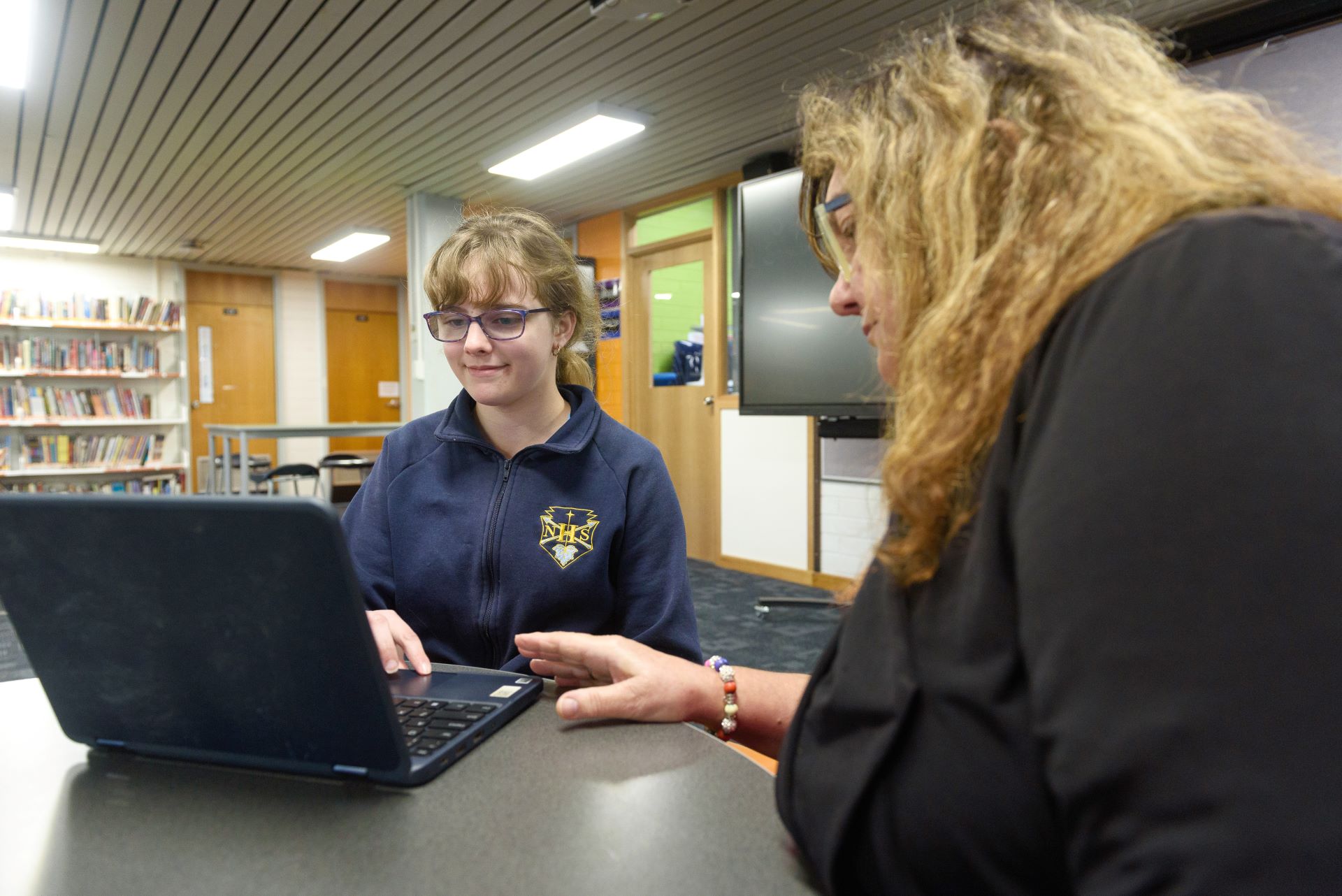
Inclusive education is central to the values of Nuriootpa High School. The IEC and Special Options programs reflect a deep commitment to equity, belonging, and high expectations for all learners. These programs are designed to provide individualised learning pathways for students with additional needs, ensuring access to engaging, purposeful, and appropriately challenging learning experiences.
Inclusion extends across the whole school through the delivery of high-quality differentiated teaching in mainstream classrooms, with personalised adjustments and targeted intervention and support implemented as needed to ensure all students can access learning and experience success.
Inclusive Education Centre (IEC) & Special Options
The Inclusive Education Centre (IEC), located on the Nuriootpa High School campus, provides a welcoming and supportive learning environment for students with identified disabilities. Students in IEC classes learn in inclusive settings alongside peers of the same age, supported by a high staff-to-student ratio – approximately 1:4 – to facilitate personalised support while maintaining strong connections to the broader school community.
Special Options classes are situated within the mainstream school environment and are designed for students who require significant adjustments to access the curriculum. These classes operate with a staff-to-student ratio of approximately 1:6 to ensure students receive targeted support while continuing to engage meaningfully with their peers and school life.
Learning for life
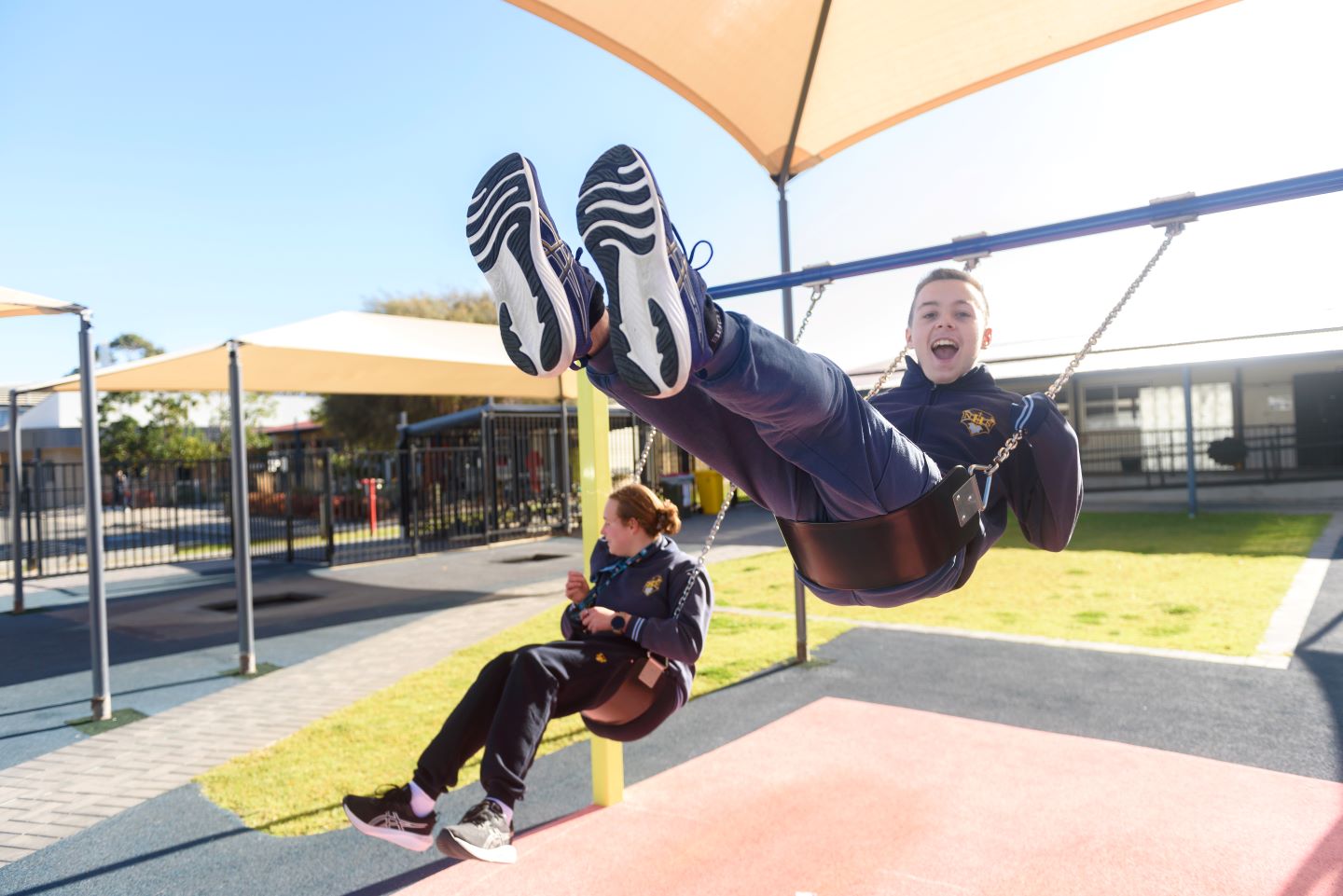
Within IEC and Special Options classes a strong focus is placed on developing not only academic skills, but also independence, communication, social confidence, and life skills. Students are supported to build their strengths, develop resilience, and grow in confidence as active members of the school community.
The programs prioritise preparation for life beyond school, with an emphasis on meaningful pathways into further education, training, and employment. Through personalised learning, explicit teaching, and targeted support, students are encouraged to develop critical thinking, problem-solving skills, and the ability to work collaboratively. Real-world learning opportunities and community connections further support successful transitions into adulthood.
Collaborative support
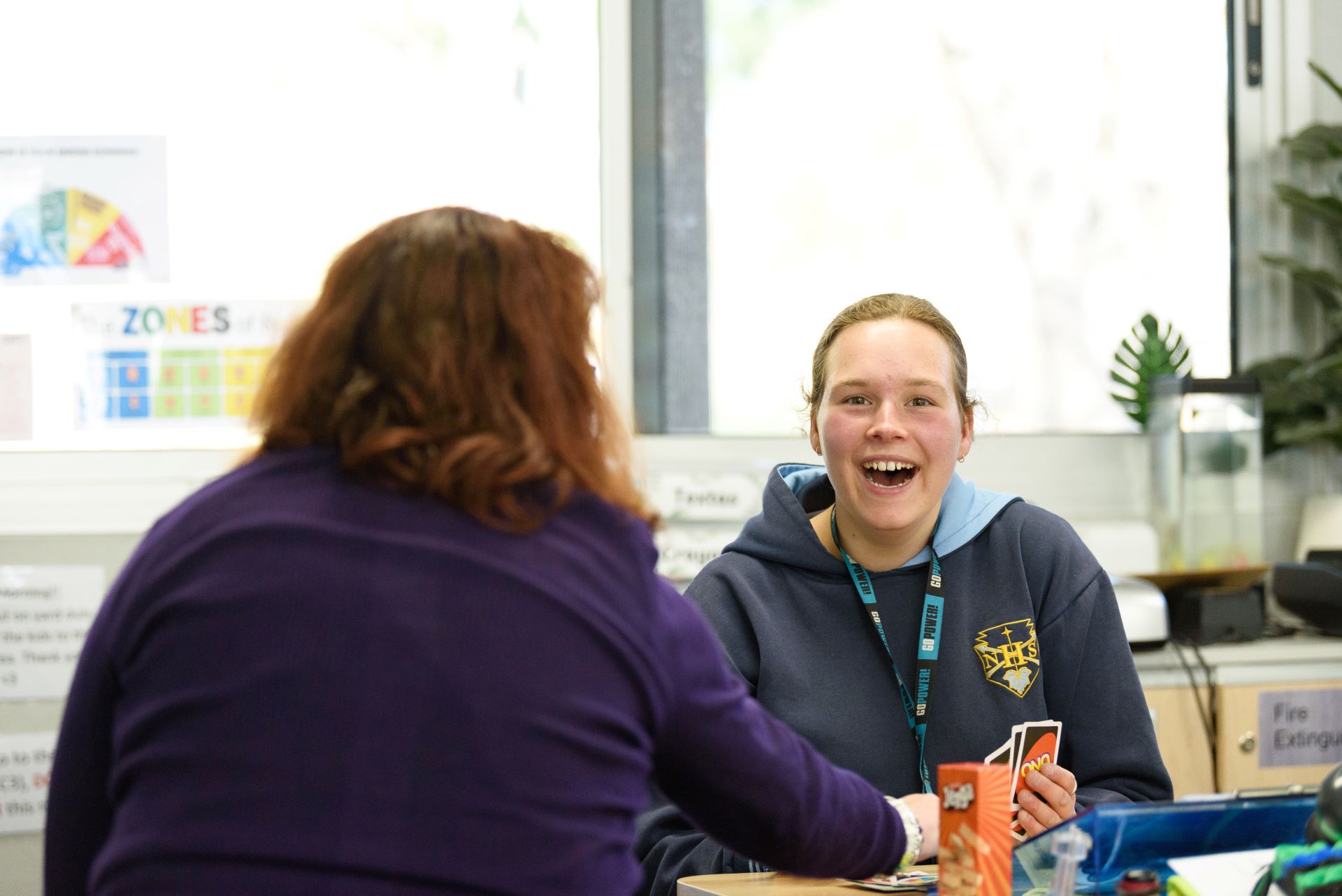
Students benefit from smaller class sizes and a highly collaborative approach. Teachers, support staff, families, and allied health professionals work together to develop and implement personalised One Plans. These plans outline each student’s strengths, goals, and the adjustments required to support success. This shared approach ensures that learning is responsive, holistic, and centred on the individual.
Inclusion is actively promoted through opportunities for students to participate in mainstream classes, extracurricular activities, and whole-school events. This fosters a strong sense of belonging, connection, and contribution for every student.
Enrolment in the IEC or Special Options
Placement in a specialised education setting is determined through a Department for Education process. Where a Department psychologist identifies eligibility, a “Request to Explore Special Education Option” is submitted and reviewed by a regional panel. Offers are then communicated to families through the school.
Personalised learning (One Plan)
Personalised learning is an essential part of supporting every student to thrive. Students who experience barriers to learning and participation benefit from tailored support that recognises their individual strengths, needs, and goals.
One Plan is the Department for Education’s platform used to document and guide this personalised approach. It ensures consistency, accountability, and a clear plan for supporting each learner.
A One Plan is required for:
- Aboriginal learners
- Children and young people in care
- Students receiving individual funding through the Inclusive Education Support Program (IESP levels 4–9)
- All students in specialised education settings (IEC, Special Class, Special School, Inclusive Preschool Programs)
- Gifted learners requiring substantial or extensive adjustments
While not all students require a formal One Plan, all students with disability are entitled to personalised support in line with the Disability Standards for Education (2005).
This process includes:
- Ongoing consultation with the student and their family
- Identification of strengths, needs, and goals
- Implementation of reasonable adjustments
- Regular monitoring and review of progress
Students are active participants in their One Plan, contributing to goal setting and reflecting on their progress. This builds agency, self-awareness, and confidence in their learning journey.
Booking a One Plan meeting
Families can request a One Plan meeting at any time by contacting the school. Typically, meetings are held up to twice per year to allow time for progress toward goals. The school will also communicate when review points are approaching.
Meetings can be scheduled during school hours or as part of parent/teacher/student evenings, including after-hours options. Families are encouraged to share any new reports or diagnoses, as these help inform and strengthen the support provided.
School-wide inclusion
Inclusive education at Nuriootpa High School extends across all classrooms. All students are supported through high-quality differentiated teaching in mainstream classrooms. For students requiring additional support, personalised adjustments are implemented and supported by SSOs who assist with learning, engagement, and monitoring progress.
The Mainstream Inclusion Support team, led by the Director of Inclusive Education, works alongside teachers and curriculum support staff (SSOs) to ensure all students can access learning and experience success. The team partners closely with classroom teachers to design and implement personalised adjustments, with a focus on building student independence and capability. Targeted interventions and supports are guided by a Multi-Tiered System of Support (MTSS), ensuring that students receive the right level of support at the right time.
A key component of this approach is literacy intervention. This targeted program supports junior students to develop foundational literacy skills that underpin success across all learning areas. Early intervention ensures students are equipped with the essential skills needed for ongoing learning.